
Flying Qatar Airways: A Complete Guide to Booking, Baggage, and Making the Most of Your Trip

Booking a flight is easy. Booking it well, so that you're not caught off guard by a baggage fee at check-in or scrambling to figure out visa requirements for a layover, takes a bit more planning. Qatar Airways has built a reputation as one of the world's most decorated carriers, but even the best airline experience can be undermined by avoidable mistakes during booking, check-in, or transit. This guide walks through everything a traveler actually needs to know before flying Qatar Airways: how the fare classes work, what baggage rules apply, how check-in and boarding are structured, what to expect during a Doha layover, and the practical tips that make the difference between a smooth trip and a stressful one.
Understanding Qatar Airways Fare Classes
Qatar Airways sells tickets across several fare families within each cabin, and understanding the differences matters more than most travelers realize, since the price difference between fare types often comes down to flexibility rather than the seat itself.
In economy, the airline typically offers a tiered structure often labeled something like Economy Classic, Economy Comfort, and Economy Flexi, though naming can vary slightly by market and time of booking. The cheapest tier usually comes with the most restrictions: limited or no free changes, lower baggage allowance in some markets, and no refund without a fee. The mid-tier adds more baggage allowance and easier change policies, while the top economy tier offers full flexibility, including free date changes and, in many cases, a refundable fare.
Business class follows a similar logic, typically split between a standard business fare and a fully flexible business fare. The seat itself, Qsuite on most long-haul routes, doesn't change between these tiers. What changes is the flexibility around changes, cancellations, and sometimes bonus mile earning rates for Privilege Club members.
The practical takeaway is that travelers who know their plans are fixed can usually save a meaningful amount by booking the most restrictive fare tier, while those who anticipate needing to change dates, even just once, are often better off paying slightly more upfront for a flexible fare rather than risking a much larger change fee later.
How to Search for the Best Fares
Timing plays a significant role in what you'll pay for a Qatar Airways ticket. Long-haul international fares tend to fluctuate based on demand cycles tied to school holidays, major regional holidays in both the origin and destination countries, and general seasonal travel patterns. Routes to and from Europe, for example, often see higher fares during the northern hemisphere summer, while fares to popular Southeast Asian destinations may dip outside the December and Lunar New Year holiday windows.
Booking further in advance generally helps secure better economy pricing, particularly for popular routes, though last-minute business class deals do occasionally appear when the airline is trying to fill unsold premium inventory closer to departure. It's also worth checking fares across a few different days surrounding your ideal travel dates, since even a one or two day shift can sometimes result in a noticeably different price, particularly for flights departing on weekends versus midweek.
Signing up for Qatar Airways' newsletter or following its official promotions can also surface limited-time sales, which the airline runs periodically on specific routes or cabin classes. These promotions are often time-limited and can offer substantial savings, particularly on business class fares, which don't discount as predictably as economy fares tend to.
Baggage Allowance: What You Need to Know
Baggage policy is one of the most common sources of confusion and unexpected fees for international travelers, and Qatar Airways' allowances vary depending on the fare class purchased, the cabin, and sometimes the specific route.
For checked baggage, the airline generally uses a piece-based system on many routes, particularly those involving North America, rather than a strict weight-based system, though weight-based rules still apply on many other routes, especially within the Middle East, Asia, and Europe. Under the piece system, economy passengers are typically permitted one or two checked bags depending on the fare tier, with weight limits usually around 23 kilograms per bag. Business class passengers generally receive a higher allowance, often two or three bags depending on the fare and route, with a higher per-bag weight limit.
It's worth checking the specific allowance tied to your exact fare and route before flying, since assuming a blanket policy across the entire network can lead to unexpected excess baggage fees at the airport. The airline's website allows passengers to check their specific baggage allowance by entering their booking reference, which is the most reliable way to confirm exactly what applies to a given ticket.
Carry-on allowance is generally more consistent across fare types within the same cabin. Economy passengers are typically permitted one cabin bag plus one small personal item, while business class passengers, including those in Qsuite, are generally allowed two cabin bags plus a personal item, reflecting the additional storage space available in the premium cabin.
Special Baggage: Sports Equipment, Musical Instruments, and Extra Items
Travelers carrying sports equipment, musical instruments, or oversized items should plan ahead, since these items often fall outside standard baggage allowances and require advance arrangement. Qatar Airways generally allows sporting equipment such as golf bags, ski equipment, and diving gear to be checked, sometimes counted within the standard baggage allowance and sometimes requiring an additional fee depending on size and weight, so it's worth confirming directly before travel rather than assuming it will be included at no extra charge.
Musical instruments present a slightly different challenge. Smaller instruments can often be carried into the cabin if they fit within the standard carry-on dimensions, while larger instruments like cellos sometimes require purchasing an extra seat to accommodate the case safely, a practice fairly standard across the airline industry. Larger instruments that don't fit cabin restrictions are typically checked, though fragile or high-value instruments are often better handled through specialized cargo or courier services rather than standard checked baggage, given the handling risks involved.
Check-In: Online, Mobile, and Airport Options
Qatar Airways offers several check-in options designed to reduce time spent at the airport, which is particularly useful given how many passengers are connecting through Doha on tight or moderate layovers.
Online check-in typically opens 48 hours before departure and remains available until a set cutoff, usually a few hours before the flight, depending on the departure airport. Checking in online allows passengers to select or confirm their seat, add baggage in advance in some cases, and generate a boarding pass that can be printed or saved to a mobile device.
Mobile check-in through the Qatar Airways app works similarly and has become the preferred method for many frequent travelers, since it also allows real-time flight status updates, gate information, and digital boarding passes that sync directly to a phone's wallet app in many cases.
For travelers who prefer or need to check in at the airport, counters typically open a set number of hours before departure, and it's generally recommended to arrive with enough buffer time, particularly for long-haul international departures where security and immigration processing can add unpredictable time, especially during peak travel periods.
Self-service kiosks are also available at many major departure airports, allowing passengers to print boarding passes and, in some cases, bag tags without waiting in a full check-in line, which can meaningfully speed up the pre-security process during busy travel periods.
Navigating a Doha Layover

Because so much of Qatar Airways' network runs through its Doha hub, understanding how to navigate a layover at Hamad International Airport is genuinely useful information for a large share of the airline's passengers.
Connection times vary by route, but the airport's layout is generally designed to make transfers efficient, particularly for passengers connecting between two Qatar Airways flights, since baggage is typically checked through to the final destination and doesn't need to be re-collected during a same-airline connection.
For layovers of a few hours, passengers have access to a wide range of retail and dining options throughout the terminal, along with quiet seating areas designed for resting between flights. For longer layovers, particularly those exceeding six to eight hours, it's worth checking whether a stopover package or transit visa arrangement makes sense, since Qatar Airways has periodically offered complimentary or discounted hotel stays for passengers with extended layovers on select fare types, a detail worth checking directly with the airline or a travel agent when booking a long-connection itinerary.
Business and first-tier Privilege Club members, along with Qsuite passengers, typically have access to premium lounges within the airport, which offer showers, quiet rest areas, dining, and in some cases spa services, making even a long layover considerably more comfortable than waiting in the general terminal.
Transit Visa and Immigration Considerations
Depending on nationality and the length of the layover, some travelers connecting through Doha may need to check transit visa requirements, particularly if planning to leave the airport during a long layover. Most passengers connecting between international flights without leaving the airport typically don't require a separate transit visa, but requirements can vary based on nationality and current immigration policy, so it's worth confirming this directly rather than assuming based on a previous trip, since visa policies can change.
For passengers who do wish to leave the airport during a long layover to explore Doha, Qatar generally offers visa-on-arrival or visa-free entry for citizens of a wide range of countries, though again, this should be confirmed against current requirements for the specific nationality in question before finalizing travel plans.
In-Flight Wi-Fi and Connectivity
Staying connected during a long-haul flight has become increasingly important for both business and leisure travelers, and Qatar Airways offers in-flight Wi-Fi across most of its long-haul fleet. Connectivity packages typically range from basic messaging access, often offered free or at low cost, up to full browsing packages that support streaming and heavier data use, available for purchase during the flight.
Business class passengers, particularly in Qsuite, often have access to complimentary or discounted Wi-Fi packages depending on current promotions, while economy passengers can typically purchase connectivity packages through the airline's in-flight portal once on board. Signal quality and speed can vary depending on the specific aircraft and route, particularly over more remote ocean crossings, so travelers relying heavily on connectivity for work should treat in-flight Wi-Fi as a helpful convenience rather than a guaranteed, consistent connection.
Traveling with Children and Families
![]()

Qatar Airways offers a range of services designed to make long-haul travel more manageable for families, which matters given how many of the airline's routes involve flights of ten hours or longer. Bassinets are available on request for infants on most long-haul aircraft, though they're limited in number and should be requested as early as possible after booking, ideally directly with the airline rather than assuming availability at check-in.
Children's meals can be pre-ordered, and the in-flight entertainment system includes a dedicated kids' section with age-appropriate movies, shows, and games. On select routes and fare classes, families traveling with young children may also be offered priority boarding, which can make the process of settling into seats with strollers, car seats, or extra carry-on items considerably less stressful.
For families flying Qsuite, the ability to convert adjoining seats into a shared suite is particularly useful, since it allows parents to stay close to young children throughout an overnight flight rather than being separated across a standard business class configuration.
Traveling with Pets
Qatar Airways permits certain pets to travel either in the cabin, as checked baggage, or via manifest cargo, depending on the size of the animal, the specific route, and destination country import regulations. Given how significantly pet import rules vary by country, and how strict quarantine and documentation requirements can be in some destinations, it's essential to research the specific requirements for both the departure and arrival country well in advance of travel, since incomplete documentation can result in a pet being denied boarding or held at customs on arrival.
Airlines generally recommend booking pet travel well ahead of the flight date, since space for animals, particularly in the cabin, is limited and subject to availability, and some aircraft types may not support cabin pet travel at all depending on configuration.
Frequent Flyer Tips Beyond the Basics
Beyond the standard advice of joining Privilege Club and taking advantage of Oneworld partner earning, there are a few less commonly discussed strategies that can add real value for frequent Qatar Airways travelers.
Booking directly through the airline's website, rather than through a third-party travel agency, generally ensures Qmiles and tier progress are credited correctly and without delay, and it also tends to make it easier to manage changes, upgrades, or cancellations directly rather than going through an intermediary.
Monitoring upgrade availability can also be worthwhile for travelers holding elite status, since Qatar Airways periodically offers paid or mileage-based upgrade opportunities closer to departure when premium cabin inventory remains unsold. These aren't always advertised prominently, so checking the "manage booking" section of an existing reservation in the days leading up to a flight can occasionally surface upgrade offers that wouldn't otherwise be visible.
For travelers pooling miles within a family, Privilege Club's family membership option allows members to combine Qmiles across a household account, which can accelerate reaching redemption thresholds for reward flights, particularly useful for families who don't fly frequently enough individually to redeem miles on their own.
What to Expect on Departure Day
For a smooth departure, arriving at the airport with adequate buffer time remains the single most reliable piece of advice, particularly for long-haul international flights where security screening and immigration processing can take longer than expected during peak periods. Most airlines, Qatar Airways included, generally recommend arriving at least three hours before international departures, and closer to this upper end is wise during holiday travel periods or when departing from particularly busy airports.
Passengers flying Qsuite or holding higher Privilege Club tiers typically have access to priority check-in counters and expedited security lanes at many airports, which can meaningfully reduce the time spent in queues before reaching the gate or lounge.
Boarding is generally structured with priority boarding for business class, Privilege Club elite members, and families with young children, followed by general economy boarding, often organized by seating zone to reduce congestion in the aisle during the boarding process.
Handling Disruptions: Delays, Cancellations, and Missed Connections
Even with strong on-time performance, disruptions can happen with any airline, and knowing how Qatar Airways generally handles delays and missed connections can reduce stress if it happens during your trip. For passengers with connecting itineraries booked entirely through Qatar Airways, a delay causing a missed connection typically triggers automatic rebooking onto the next available flight, often communicated directly through the app or via text message before the passenger even reaches the transfer desk in Doha.
For significant delays or cancellations, the airline generally provides meal vouchers, and in cases involving overnight disruptions, hotel accommodation, particularly for passengers connecting through Doha whose onward flight isn't available until the following day. Policies and compensation can vary based on the cause of the disruption and the specific route's governing regulations, so it's worth checking the airline's customer service channels or the terms attached to the specific fare purchased if a disruption does occur.
Travel insurance remains a sensible addition for any long-haul international itinerary, particularly one involving a single-carrier connection through a hub, since it can provide an additional layer of financial protection beyond what the airline itself offers in the event of a significant disruption.
Conclusion
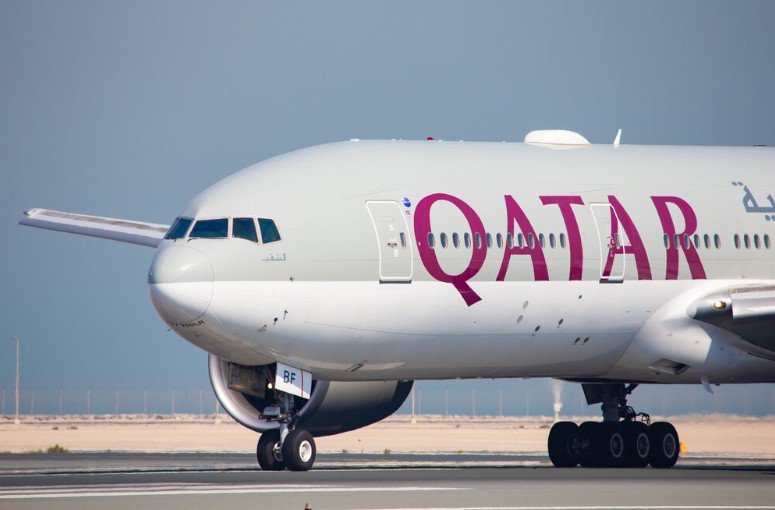
Flying Qatar Airways well comes down to knowing a handful of details before you travel rather than figuring them out reactively at the airport. Understanding how fare tiers affect flexibility, confirming baggage allowance ahead of time, using online or mobile check-in to save time, and knowing how to make the most of a Doha layover can turn what might otherwise be a stressful long-haul journey into a genuinely comfortable one. Combined with the airline's strong cabin products, from Qsuite through to a well-regarded economy experience, a little preparation goes a long way toward getting the full value out of what is consistently ranked among the best airlines in the world.
Download the PREPP App and attempt FREE Scholarship Mock Tests and get complete study material!


Comments